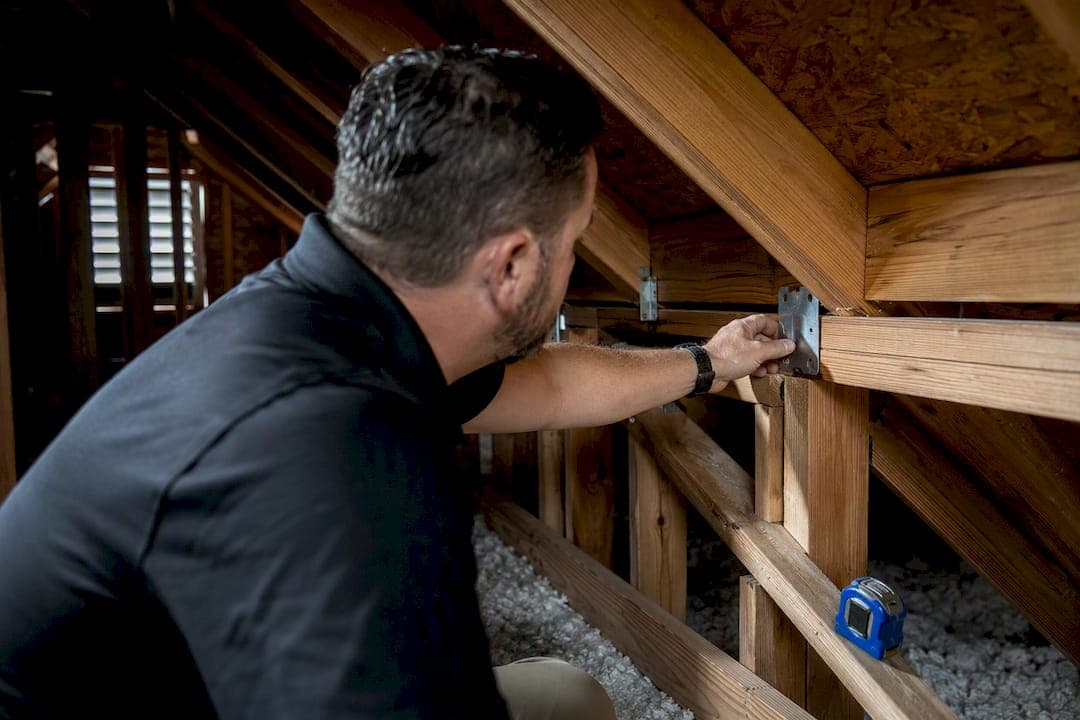
A wind mitigation inspection is a documented assessment of the wind-resistance features built into your roof, walls, and openings, performed by a licensed professional using the state's standardized form. Homeowners get one because verified features like impact windows, hurricane straps, and a sealed roof deck can qualify you for insurance premium credits and make your home easier to insure. If you're shopping for coverage or haven't checked your status in years, order an inspection or track down your existing report before you talk to a carrier.
TL;DR:
- A wind mitigation inspection evaluates six key features, including roof attachment, opening protection, and roof shape, which can impact insurance discounts.
- Only licensed professionals such as home inspectors, contractors, engineers, or architects can legally perform and sign off on the inspection form.
- The inspection generally costs vary, but the potential premium savings depend heavily on the insurer and retrofit upgrades, not just the inspection report.
- The official inspection form remains valid for five years unless significant changes like re-roofing or new impact windows occur.
- Free inspection options are available through programs like My Safe Florida Home, with the completed report serving as a vital documentation tool for insurance and safety purposes.
Table of Contents
- What Does a Wind Mitigation Inspection Cover?
- Who Can Perform a Wind Mitigation Inspection?
- How Much Does a Wind Mitigation Report Cost, and What Will You Save?
- What Happens During the Inspection, and What Is the OIR-B1-1802 Form?
- How Should You Prepare Your Home Before the Inspection?
- How Long Is a Wind Mitigation Report Valid?
- Are Free Wind Mitigation Inspections Available?
- What Should You Expect From a Contractor Handling Retrofit Work?
- Why Wind Mitigation Documentation Is Worth the Effort
- Ready to Turn Inspection Findings Into Retrofit Work?
- Where to Verify Rules, Forms, and Programs
- Sources
What Does a Wind Mitigation Inspection Cover?
The industry name for this process is a wind resistance evaluation, though most homeowners know it by the state's paperwork: the wind mitigation inspection. Inspectors work through six specific features, each tied to a real failure point during a hurricane.
- Roof covering: whether shingles, tile, or metal meet current product standards and code compliance dates.
- Roof deck attachment: nail type and spacing, which determines how much uplift pressure the deck can resist before it separates from the trusses.
- Roof-to-wall connectors: clips or straps versus older toe-nail construction, plus whether retrofitting stronger connectors is feasible.
- Roof geometry: hip roofs generally outperform gable roofs in wind tunnels, which is why insurers offer a hip-roof credit.
- Sealed roof deck / secondary water resistance: a taped or foamed deck barrier that stops water intrusion if shingles blow off.
- Opening protection: windows, doors, skylights, and garage doors rated for impact, evaluated under what's called the weakest-opening rule, since one unprotected opening can undermine credit for the rest.
Roof geometry alone can shift your credit eligibility. A wind mitigation inspection documents each of these six categories individually, and insurers weigh them separately rather than as one pass/fail grade.
Who Can Perform a Wind Mitigation Inspection?
Not just anyone can sign this form. State guidance limits qualified inspectors to a specific list:
- Licensed home inspectors with wind mitigation training
- Licensed general or building contractors
- Professional engineers (PE)
- Licensed architects
- Local building code inspectors
Before hiring anyone, verify their license through your state's Department of Business and Professional Regulation lookup tool, and ask directly whether they've completed mitigation-specific training and can show a sample completed form.
Pro Tip: Ask the inspector to walk you through a redacted sample report before booking. If they can't produce one, that's a sign to keep looking.
Using an unqualified signer isn't a shortcut. Insurers can reject the entire report, forcing you to pay for a second inspection and delaying any premium credit you were counting on.
How Much Does a Wind Mitigation Report Cost, and What Will You Save?
Inspection fees vary based on home size, region, and type of professional hired, with more complex or remote properties generally costing more to inspect.
Savings are where expectations need adjusting. State law requires insurers to apply credits for verified mitigation features, but each carrier assigns its own dollar value to those credits. The same report can produce a modest discount from one insurer and a substantial one from another.
- Compare quotes from at least three carriers using the same completed form
- Weigh retrofit costs (hurricane clips, impact windows) against the premium reduction those upgrades unlock
- Treat the report as a shopping tool, not a guaranteed number
Because pricing varies so widely by carrier, the report itself becomes leverage. Requesting quotes from multiple insurers with the same documentation in hand is the single most reliable way to find out what your upgrades are actually worth.
What Happens During the Inspection, and What Is the OIR-B1-1802 Form?
The inspector's visit is short. Expect this sequence:
- Attic entry to photograph roof decking, nail patterns, and truss connections
- Exterior walk to document roof-to-wall connectors and roof shape
- Verification of window, door, skylight, and garage door protection ratings
- Photo documentation attached to the completed form
| Form Detail | What It Means for You |
|---|---|
| Form name | Uniform Mitigation Verification Inspection Form (OIR-B1-1802) |
| Latest revision | Effective April 1, 2026 |
| Typical validity | Up to five years, absent material changes |
| Who accepts it | All licensed carriers writing residential wind coverage |
The OIR-B1-1802 update effective April 1, 2026 clarified credit rules for several previously ambiguous features, which is one reason an older report may undercount what your home actually qualifies for. Once completed, send the form directly to your agent or carrier. Remember that pricing on the same verified credits still differs by company.
How Should You Prepare Your Home Before the Inspection?
A few hours of prep work can mean the difference between full credit and a rejected line item on the form.
- Clear a path to the attic hatch and remove storage blocking roof structure views
- Gather permits, roofing invoices, and any prior mitigation paperwork
- Repair damaged windows, doors, or garage doors, since visible damage can zero out opening-protection credit
- Pull any FORTIFIED Home certificates or product approval documents you have on file
Pro Tip: Take your own photos of the attic and roof line before the inspector arrives. If a credit gets disputed later, your timestamped photos back up the claim.
Homeowners with FORTIFIED certification can sometimes skip redundant photo requirements entirely, since the certificate itself stands in as documentation.
How Long Is a Wind Mitigation Report Valid?
A completed report is generally good for five years, provided nothing material changes on the home. Several events reset that clock:
- A full or partial re-roof
- Installation of new hurricane connectors, impact windows, or a garage door upgrade
- A change in ownership
- Discovery of an error or omission on the original form
Order a new inspection before you start comparing carrier quotes, and again immediately after finishing any retrofit work, so the credit reflects what's actually on the house today.
Are Free Wind Mitigation Inspections Available?
Some homeowners never pay out of pocket. The My Safe Florida Home Program runs a free inspection track for eligible applicants, following an inspect, strengthen, verify sequence: a state-approved inspector evaluates the home, the homeowner completes eligible retrofits (sometimes with matching grant funds), and a follow-up verification confirms the work.
- Check current program eligibility and funding availability before paying privately
- Ask your insurer if it runs its own discount or inspection assistance program
- A free inspection still produces the same OIR-B1-1802 form your carrier needs
What Should You Expect From a Contractor Handling Retrofit Work?
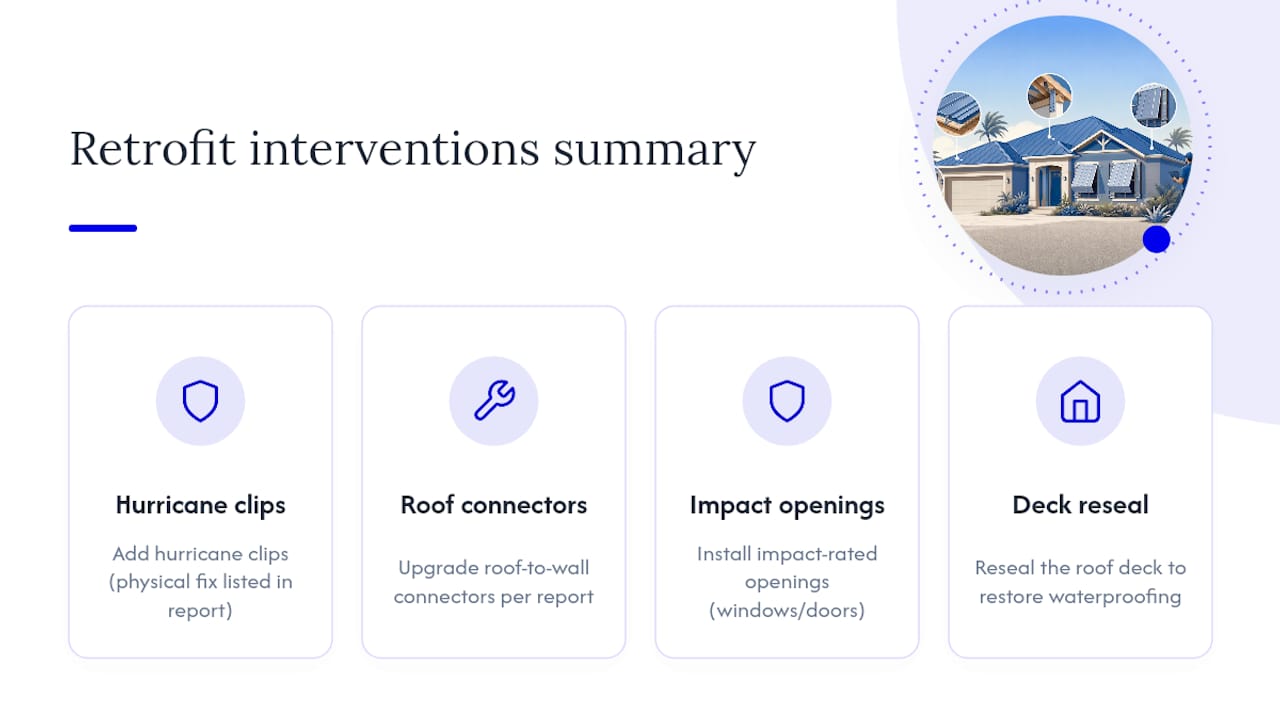
Once your report flags weak points, a licensed contractor handles the physical fix: adding hurricane clips, upgrading roof-to-wall connectors, installing impact-rated openings, or resealing the roof deck. Verify their license, ask for past mitigation project references, and confirm they pull permits and photograph completed work, since that documentation is what future inspectors and insurers rely on. Keep every permit, photo, and invoice.
Why Wind Mitigation Documentation Is Worth the Effort
Homeowners who treat mitigation reports as paperwork miss the point. This documentation is both a safety record and a financial asset, one that follows your home through storms, sales, and insurance renewals. Schedule the inspection, keep the report on hand, and use it every time you shop coverage.
— Alston
Ready to Turn Inspection Findings Into Retrofit Work?
Once your wind mitigation report identifies gaps, hiring a licensed contractor to manage permit-backed retrofit work can streamline the process. Such contractors handle hurricane clip upgrades, impact-rated door and window installation, and typically provide workmanship guarantees.

Every retrofit comes with the permits, photos, and invoices you'll need if an inspector or insurer ever asks for proof of the work. If your opening protection needs attention, resources like door replacement options can round out that scope alongside structural upgrades. Some contractors serve Southwest Florida areas including Cape Coral, Fort Myers, Naples, Bonita Springs, and Estero, and may offer free, no-obligation estimates. Request your free estimate and get your retrofit plan moving before your next inspection.
Where to Verify Rules, Forms, and Programs
For the current OIR-B1-1802 form and official rule updates, check the Florida Office of Insurance Regulation's wind mitigation resources. For free inspections and grant eligibility, visit My Safe Florida Home. For storm documentation practices, see this storm damage assessment checklist.