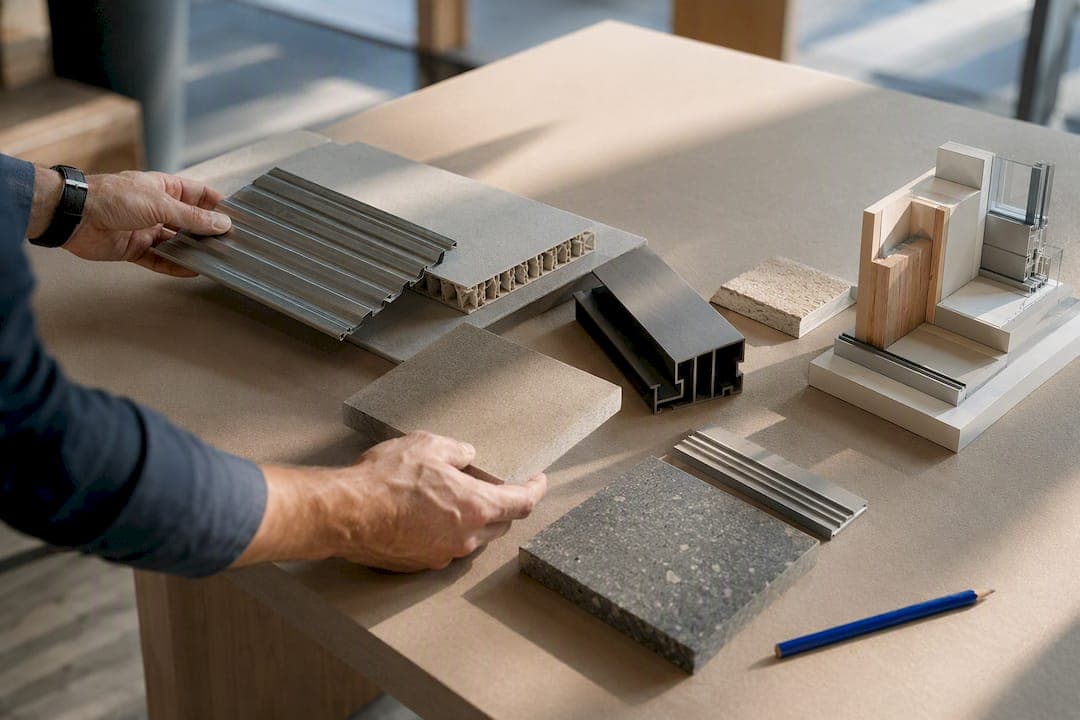
Value engineering is a function-focused, lifecycle-cost process that helps owners get required performance for the lowest total cost when it happens early in design. It works by testing whether every dollar spent buys real, necessary function rather than just habit or convenience. Value engineering delivers its biggest returns during planning and schematic design, not after construction starts, and its goal is long-term value, never a shortcut to a smaller number on a budget line.
TL;DR:
- Value engineering is most effective when applied early in the design process, especially during planning and schematic design phases.
- Projects with complex, high-value systems, or long-term operational costs exceeding certain thresholds should commission formal VE studies.
- A credible VE study involves structured steps such as function analysis, creative brainstorming, and lifecycle cost comparisons, ideally using Building Information Modeling.
- Substitutions pushed by a single supplier without independent lifecycle analysis can undermine long-term value and warrant caution.
- Owners should clearly define non-negotiable functions and performance goals upfront to ensure VE aligns with their priorities and avoids unintended risk.
Table of Contents
- What Is Value Engineering in Construction, and What Should Owners Aim For?
- When Does Value Engineering Deliver the Most Value?
- What Is the Six-Step Value Engineering Job Plan?
- What Do Value Engineering Examples Look Like on a Real Project?
- How Do You Run a Value Engineering Study Step by Step?
- How Can Value Engineering Go Wrong, and How Do You Prevent It?
- Why Owner Priorities Should Drive Every VE Decision
- Sources
What Is Value Engineering in Construction, and What Should Owners Aim For?
Value engineering in construction is a systematic process for reviewing a building's requirements, functions, and components to achieve essential performance at the lowest life-cycle cost as defined in federal guidance. OMB Circular A-131 defines it this way for federal projects, and the logic transfers directly to private commercial and residential work: the process weighs a function-to-cost ratio, not just a purchase price.
That distinction separates value engineering from reactive cost-cutting. Cutting costs asks "what can we remove." Value engineering asks "what does this element need to do, and is there a better way to deliver that function across the building's full service life?" A cheaper roof membrane that fails in eight years isn't value engineering. It's deferred cost with extra risk attached.
Before commissioning a study, set measurable goals:
- A target lifecycle-savings goal, not just an upfront-cost target
- Written performance criteria the final design must still meet
- A pre-agreed list of acceptable trade-offs, and ones that are off the table entirely
Legitimate VE studies also share structural hallmarks worth watching for: function analysis using a FAST diagram, formal life-cycle cost analysis, and a multidisciplinary team rather than one vendor pushing a substitution.
When Does Value Engineering Deliver the Most Value?
Timing drives return. Value engineering applied during planning or schematic design can reshape a building's structure, systems, and envelope before drawings lock in, while changes made after construction begins are limited to swaps within an already-fixed design. USACE guidance on the VE job plan reinforces this same point: apply it early for the highest impact.
Pro Tip: If your design is well underway and no VE study has happened yet, run a scaled-down version rather than skipping it. Even limited late-stage VE catches costly mismatches before they get poured, framed, or wired in.
Federal guidance often ties VE requirements to project cost and complexity, since larger, more complex jobs carry the biggest potential savings. Use this quick sequence to decide if your project needs a formal study:
- Does the project exceed a cost threshold where a meaningful function-to-cost shift would matter to your budget?
- Are there high-value systems (structure, envelope, MEP) still undecided at more than one design option?
- Does the schedule allow time for a workshop before drawings finalize?
- Will the building carry significant long-term maintenance or energy costs that a lifecycle lens could reduce?
If you answer yes to two or more, commission the study now.
What Is the Six-Step Value Engineering Job Plan?
Every credible VE study follows a structured job plan, refined over decades of federal and industry use. Owners don't need to run it themselves, but knowing the steps lets you evaluate whether a consultant or contractor is doing real VE or just trimming a spec sheet.
- Information gathering. The team collects drawings, cost estimates, and project goals. Deliverable: a shared understanding of scope and constraints. Participants: owner rep, architect/engineer, estimator.
- Function analysis. The team builds a FAST diagram mapping what each system must actually do. Deliverable: a function hierarchy separating "must have" from "nice to have."
- Creative speculation. A brainstorming session generates alternatives for each function, no judgment yet. Deliverable: a raw list of options, often 20 to 40 ideas for a mid-size project.
- Evaluation. The team screens ideas against feasibility, cost, and risk. Deliverable: a shortlist of 5 to 10 alternatives worth pricing out.
- Cost and life-cycle analysis. Each finalist gets priced across the building's expected service life, not just at purchase. Deliverable: a lifecycle cost comparison table.
- Development, presentation, and implementation. The team writes up recommendations with backup data and presents them to decision makers. Deliverable: an implementation plan with an owner sign-off and decision log.
Standard outputs across these steps include FAST diagrams, ranked alternatives, and updated lifecycle cost estimates that a stakeholder group can review in one or two meetings.
Pro Tip: Push your VE team to use Building Information Modeling and a localized cost database instead of national averages. Industry data shows BIM and accurate cost data materially improve the quality of VE comparisons, because you're testing alternatives against real regional pricing instead of a generic benchmark.
What Do Value Engineering Examples Look Like on a Real Project?
Building envelope cladding substitution. A team swaps a specified metal panel system for a fiber cement alternative that meets the same wind-load and moisture-barrier function at lower material cost. The safeguard: confirm warranty terms and impact ratings match, especially in hurricane-exposed regions, before locking in the swap.
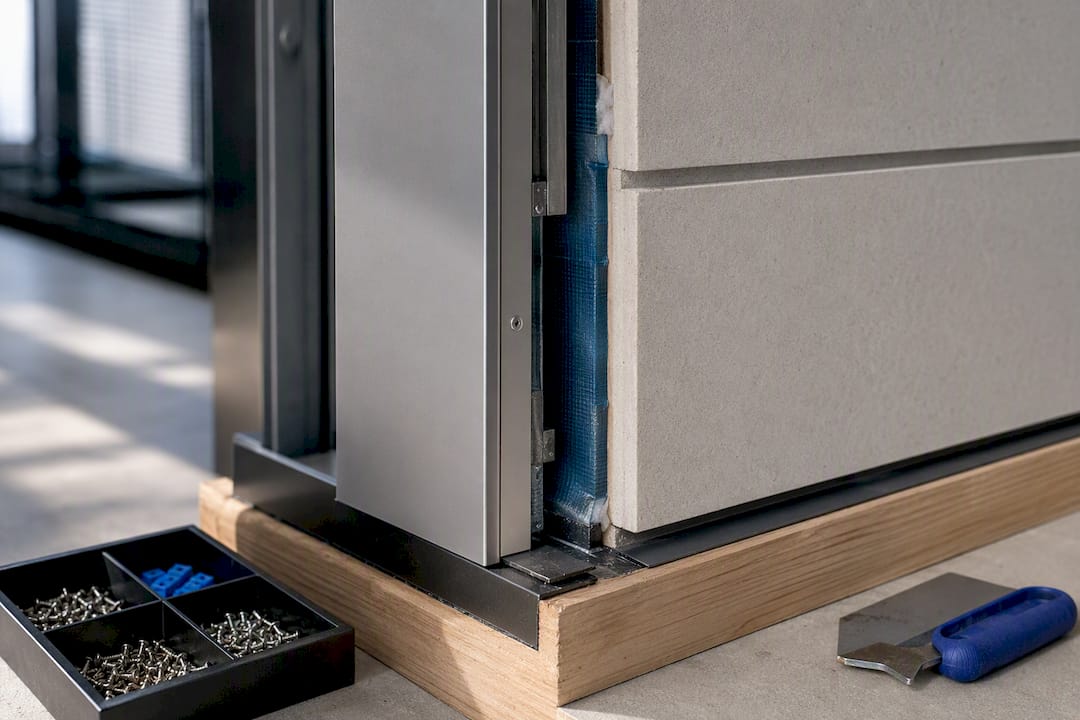
Structural framing optimization. Comparing site-built steel framing against prefabricated panel systems can cut both material waste and labor hours. The trade-off is constructability. Prefabrication demands tighter tolerances and earlier design freeze, so this move works best when schedule allows for upfront coordination. A resource like this structural framing alternatives comparison is a useful reference point when weighing framing product options.
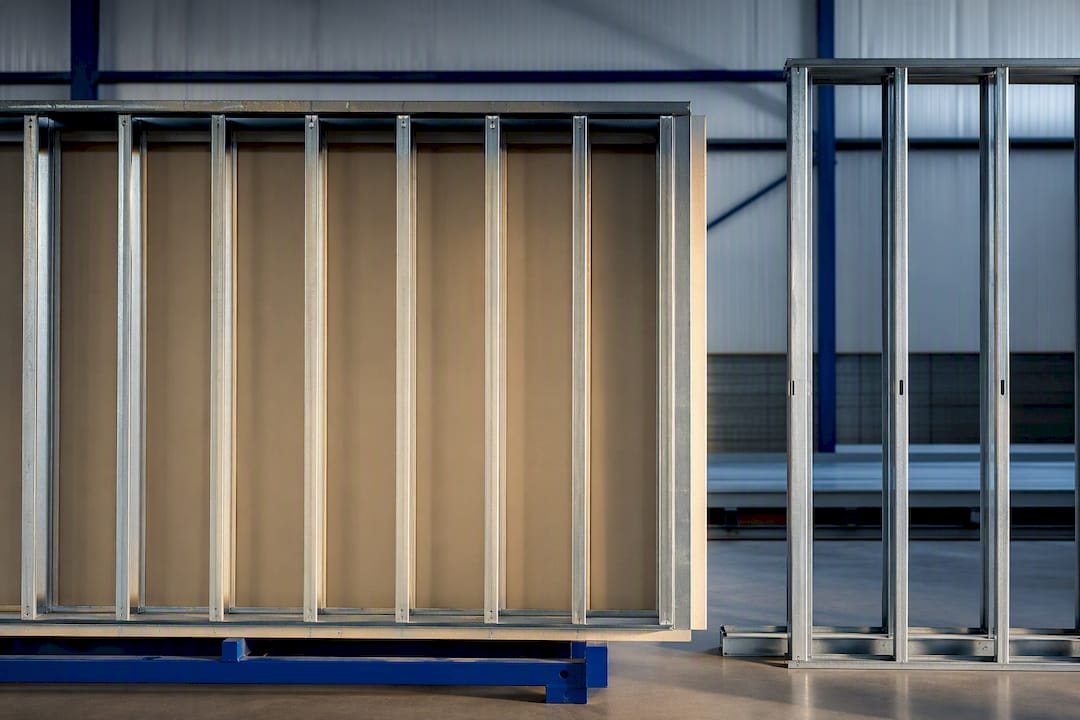
MEP sizing and controls. Right-sizing HVAC equipment instead of defaulting to oversized units, paired with modern controls, lowers both installed cost and decades of energy bills.
Red flag across all three: any substitution pushed by a single supplier with no independent lifecycle comparison.
How Do You Run a Value Engineering Study Step by Step?
A compact, one-week VE workshop can produce decision-ready results for most mid-size projects:
- Day 1: Kickoff and information review with owner, architect, estimator, and contractor.
- Day 2: Function analysis and FAST diagram development.
- Day 3: Creative speculation session, generating alternatives.
- Day 4: Evaluation and lifecycle cost modeling.
- Day 5: Development of recommendations and owner presentation.
Larger or phased projects often run this as a recurring quarterly cadence instead of a single sprint. Either way, define roles up front: an owner representative who holds final say, the architect/engineer, an independent estimator, the contractor, a facilities or maintenance lead who understands long-term operating costs, and a neutral facilitator who keeps the process from turning into a pricing negotiation.
Require these outputs before approving anything: updated schematics, a lifecycle cost model, the FAST diagram, and a written decision log showing why each alternative was accepted or rejected.
Pro Tip: Insist the decision log includes the rejected alternatives too, not just the winners. When a "value engineered" substitution causes a warranty dispute two years later, that record is what shows the decision was deliberate and documented, not rushed.
How Can Value Engineering Go Wrong, and How Do You Prevent It?
Poorly run VE tends to fail in predictable ways:
- Short-term cost focus that ignores maintenance and energy costs over the building's life
- Supplier-driven substitutions presented as VE when they're really just a sales pitch
- Skipping formal lifecycle cost analysis and comparing only sticker prices
The safeguard structure is straightforward: define must-have functions in writing before the study starts, set acceptance criteria tied to performance, use an independent reviewer who isn't selling the alternative, and tie any substitution to matching or better warranty terms. Federal programs set formal thresholds and program rules precisely because unstructured VE on large projects tends to drift toward cost-cutting without oversight. Investopedia's summary of the process makes the same caution plain: VE should preserve essential function, not just trim the number on the bid.
Why Owner Priorities Should Drive Every VE Decision
The biggest mistake owners make is treating value engineering as the contractor's job to police, when it should be the owner's goals steering every trade-off. Before any workshop starts, an owner should be able to state, in plain language, which functions are non-negotiable and which lifecycle metrics matter most. That clarity prevents a facilitator or supplier from quietly redefining "value" as "cheapest."
Our design-build approach on Southwest Florida projects keeps owner priority front and center, aligning architectural intent with constructability from day one rather than retrofitting alternatives after drawings are locked.
— Alston
If you're weighing structural, envelope, or system alternatives on a custom build or major renovation in Cape Coral, Fort Myers, Naples, Bonita Springs, or Estero, Buildwithng offers free, no-obligation estimates and manages every phase from design through final inspection, backed by a workmanship guarantee.