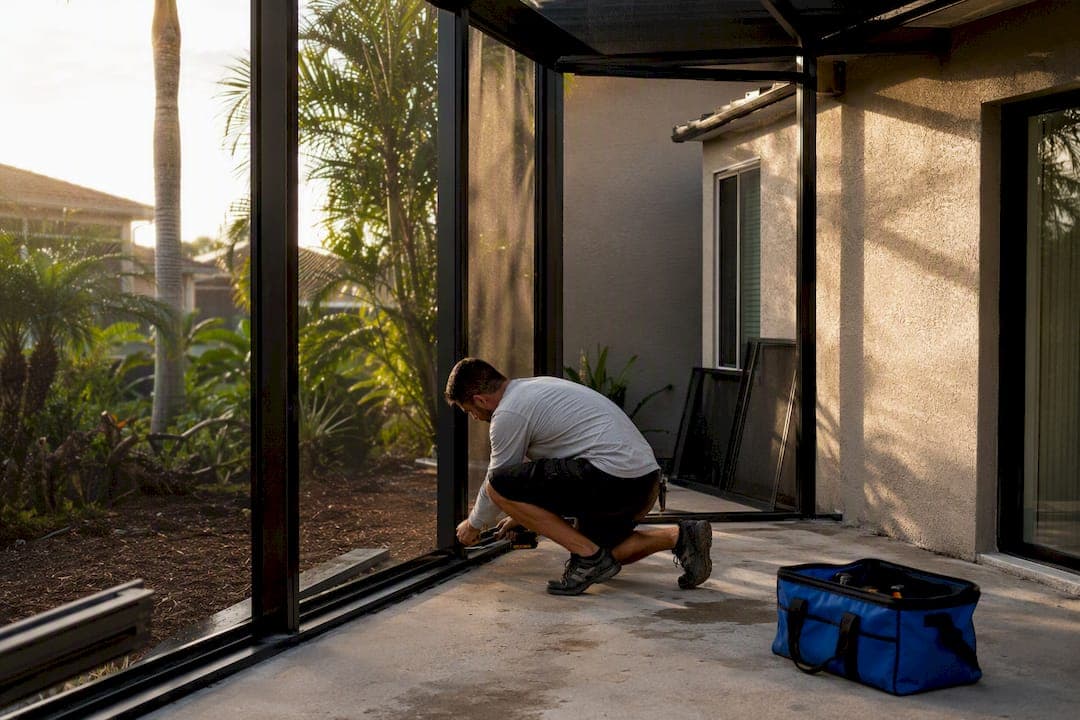
Screening in a lanai typically runs $10 to $30 per square foot, an acrylic or hybrid enclosure costs $15 to $40 per square foot, and a full glass conversion lands between $30 and $80 or more per square foot. A small 8x10 screen job might total several thousand dollars, while a 15x20 glass enclosure with hurricane-rated glazing can push past $30,000. The three factors that swing your number the most: total square footage, the material you choose, and whether your site needs engineering or a wind-rated permit. Get itemized quotes from local contractors before you lock in a budget.
TL;DR:
- Enclosure costs vary significantly depending on material choice, with screened enclosures costing $10 to $30 per square foot, acrylic/hybrid $15 to $40, and glass $30 to over $80.
- Larger projects, such as a 15x20 glass enclosure, can exceed $30,000, especially when impact-rated glass, structural reinforcements, or HVAC are involved.
- Permits, design requirements, and site conditions, particularly in wind zones, are major drivers of final costs, often surpassing material expenses.
- Contractors typically provide detailed itemized quotes that include materials, labor, permits, and exclusions to prevent budget surprises.
- Homeowners should verify if an engineer’s sign-off is needed, especially in hurricane zones, to avoid unexpected mid-project costs.
Table of Contents
- How Much Does a Lanai Enclosure Cost by Type?
- What Actually Drives Your Quote Higher or Lower?
- What Would Your Project Actually Cost?
- How to Read a Contractor Quote Without Guessing
- Permits, Timelines, and Code Requirements That Affect Your Budget
- Where to Cut Cost Without Cutting Corners
- How NG Construction SWFL Handles a Lanai Enclosure Project
- What Different Frame Types, Screens, and Glass Cost
- Budgeting for Maintenance After the Enclosure Is Built
- A Contractor's Honest Note on Lanai Budgets
- Get a Free Estimate for Your Lanai Enclosure
- Where to Verify These Numbers Yourself
- Sources
How Much Does a Lanai Enclosure Cost by Type?
Your starting number depends almost entirely on which enclosure type you pick, and each one serves a different purpose.
Screened enclosures sit at the affordable end. Expect $10 to $30 per square foot, which covers aluminum framing, screen mesh, a door, and basic labor. This is the category most homeowners mean when they ask about a lanai screen replacement cost or a straightforward rescreen job on an existing frame.
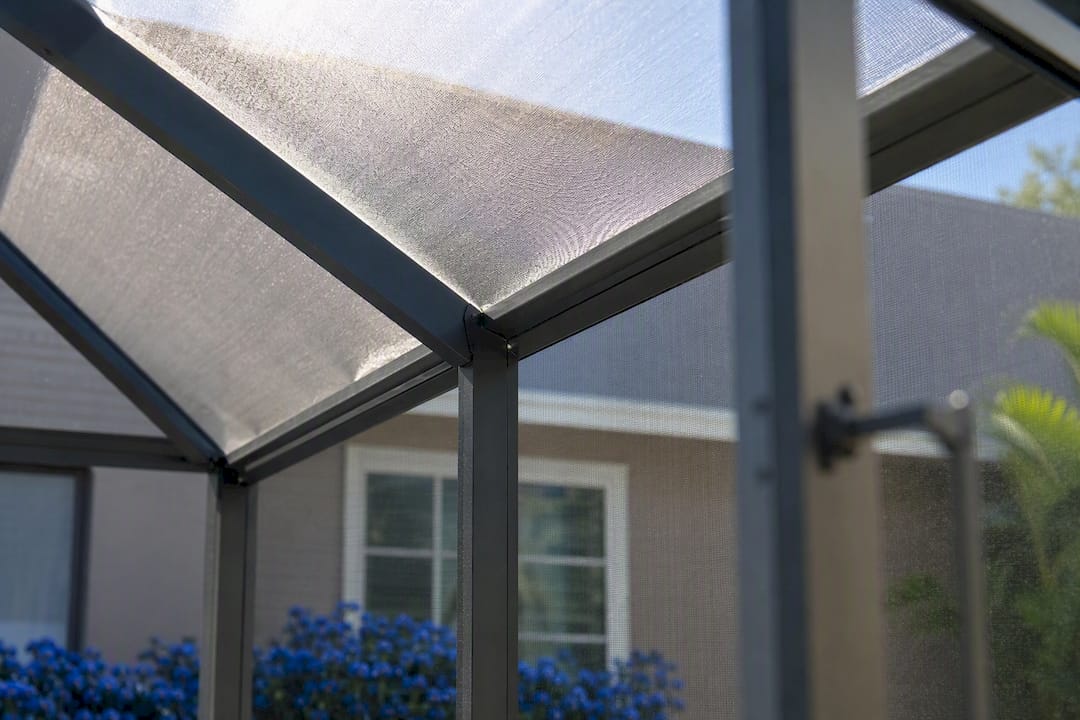
Acrylic and hybrid enclosures run $15 to $40 per square foot. You're paying for solid acrylic or vinyl panels that swap in and out seasonally, plus reinforced framing to hold the extra weight. This tier appeals to homeowners who want a bug-free space in summer and a wind break in cooler months without committing to full glass.
Glass enclosures, sometimes called sunroom conversions, cost $30 to $80 or more per square foot, according to Precision Aluminum's 2026 Florida pricing guide. Impact-rated glass, insulated frames, and structural upgrades to support the added weight push the high end up fast.
Here's how those ranges translate into real project totals for common lanai footprints:
| Lanai Size | Screened Total | Acrylic/Hybrid Total | Glass Total |
|---|---|---|---|
| 8x10 (80 sq ft) | $800–$2,400 | $800–$2,400 | $2,100–$6,300 |
| 10x12 (140 sq ft) | $800–$2,400 | $2,100–$6,300 | $9,000–$24,000+ |
| 15x20 (300 sq ft) | $9,000–$24,000 | $9,000–$24,000 | $9,000–$24,000+ |
A few notes worth keeping in mind when you read a table like this:
- These figures assume a straightforward install on an existing lanai slab and roof structure.
- HomeGuide's national data shows adding screens to an existing porch frame can run as low as $10 to $25 per square foot, while a brand-new screened lanai built from scratch, including footers and roofing, often reaches $50 to $175 per square foot.
- Doors, custom shapes, and upgraded hardware sit outside these baseline ranges.
What Actually Drives Your Quote Higher or Lower?
Materials and labor typically split close to evenly on a mid-range job, but permits, disposal, and site conditions are what separate a tidy estimate from a budget-buster.
A 2026 cost breakdown from Current Cost puts full lanai enclosure projects at $25 to $60 per square foot once materials, labor, permits, and disposal are all counted together, with a typical 10x12 project landing solidly in the middle of that band. Permits alone can add several hundred dollars, and disposal fees for old screen frames or debris add more on top.
Three specific line items tend to surprise homeowners:
- Roof connection and structural reinforcement. If your existing roof or lanai frame wasn't built to carry the extra load of acrylic panels or glass, you'll pay for reinforcement before the enclosure itself goes in.
- Glazing upgrades. Impact-rated glass, Low-E coatings, and insulated frames each add cost individually, and stacking all three on a glass enclosure is what drives that category toward its $80-per-square-foot ceiling.
- Small-job minimums. Homewyse's cost data notes that small projects frequently carry a higher effective per-square-foot price because mobilization, setup, and minimum labor charges get spread across less area.
Statistic to remember: according to Precision Aluminum, glass enclosures alone can range from $30 to over $80 per square foot depending on glazing choice and structural needs, which is roughly triple the low end of a basic screen job.
Labor rates also shift by region. The Bureau of Labor Statistics tracks construction wage data that helps explain why the same enclosure can cost noticeably more in one metro area than another.
What Would Your Project Actually Cost?
Numbers on a chart only mean so much until you see them applied to a real lanai. Here are three scenarios that mirror what Southwest Florida homeowners commonly budget for.
- 8x10 screened enclosure (80 sq ft). Low end: $800 for basic mesh and existing framing reused. Typical: $1,600 with new aluminum framing and a single door. High end: $2,400 if you upgrade to no-see-um mesh and add a pet door.
- 10x14 acrylic/hybrid enclosure (140 sq ft) with one upgraded sliding door. Low end: $2,100. Typical: $4,200, factoring in reinforced framing and a mid-grade acrylic panel system. High end: $6,300 once you add a premium sliding glass door and better weatherstripping.
- 15x20 glass/hurricane-rated enclosure (300 sq ft) with premium doors and optional HVAC. Low end: $9,000 for basic impact glass without conditioning. Typical: $16,500 with upgraded doors and insulated framing. High end: $24,000 or more once HVAC ductwork extension and Low-E glazing enter the picture.
Two things push these numbers around regardless of size:
- Coastal properties in designated wind zones face stricter engineering and anchoring requirements than inland homes, which raises both material and design-fee costs.
- Adding conditioned air, meaning true HVAC, moves your lanai from an accessory structure to a year-round room in the eyes of most building departments, and that reclassification typically triggers a higher level of code review and cost.
How to Read a Contractor Quote Without Guessing
A solid estimate reads like an itemized receipt, not a single lump-sum number. Before you sign anything, confirm the quote breaks out these pieces:
- Material costs by category (framing, screen or glass, hardware)
- Labor, listed separately from materials
- Any allowances for doors, hardware upgrades, or finish choices
- Permit fees and who is responsible for pulling them
- Explicit exclusions (site cleanup, electrical work, disposal)
- Estimated timeline from permit approval to completion
- Payment schedule and deposit terms
- Warranty coverage on workmanship versus materials
During the site visit, ask the estimator directly how they calculated square footage, whether the quoted glazing meets your local wind-zone requirement, and what happens if the permit process uncovers a structural issue mid-project.
When comparing two bids, normalize them first. A quote that looks $2,000 cheaper might be using thinner screen mesh, a shorter warranty, or excluding permit fees entirely. Line up material grades, warranty length, and what's included before you compare the bottom line.
Pro Tip: If a bid comes in dramatically lower than every other quote you received, ask specifically what's excluded. Missing permit fees or a vague "labor as needed" clause are the two most common ways a low bid turns into a high final invoice.
Permits, Timelines, and Code Requirements That Affect Your Budget
Most municipalities require a permit for any lanai enclosure, and fees typically run from a couple hundred dollars into four figures depending on project scope and local rates. Expect the process to add real time to your schedule, not just cost to your budget.
- Permit applications generally require submitted plans, and some jurisdictions require a licensed engineer's sign-off for larger structures or full glass conversions.
- Homes in High-Velocity Hurricane Zones (HVHZ) or other designated wind zones need products and anchoring rated for local wind loads, which adds both material cost and documentation requirements during inspection.
- Inspections happen at multiple stages, and failing one over an unrated component can delay your project by weeks.
- Always confirm current requirements directly with your local building department before finalizing a budget. Codes change, and your neighbor's permit experience from two years ago may not reflect today's rules.
Where to Cut Cost Without Cutting Corners
Not every dollar saved is a dollar well saved. Structural and wind-rated components are the wrong place to economize. Cosmetic choices, mesh grade on a low-traffic side panel, or door hardware finish, are much safer places to trim.
- Bundle your lanai enclosure with other exterior work happening the same season to split mobilization fees across projects. Timing matters here too, and a seasonal scheduling approach applied to home projects generally can help you avoid contractor backlogs.
- Handling your own site cleanup or old-screen removal before the crew arrives can shave modest labor cost.
- Ask your contractor about financing options and payment schedules. Spreading a $15,000 project over financed payments changes your monthly budget math even if the total project cost stays the same.
Pro Tip: If your budget is tight, spend on the wind rating and skip the fancy door hardware. You can always upgrade a handle later. You can't easily upgrade an under-built frame after a storm.
How NG Construction SWFL Handles a Lanai Enclosure Project
A well-run enclosure project comes down to accountability. Buildwithng provides free, no-obligation estimates that include a site visit and an itemized quote before any contract gets signed, and the company manages permitting directly rather than leaving that step to the homeowner.
- Design-build coordination under one team reduces the change orders and scheduling gaps that happen when separate designers and contractors don't communicate.
- A workmanship guarantee backs the finished project.
- Full project management, from initial design through final inspection, is meant to catch hidden structural or code issues before they become surprise costs mid-build.
What Different Frame Types, Screens, and Glass Cost
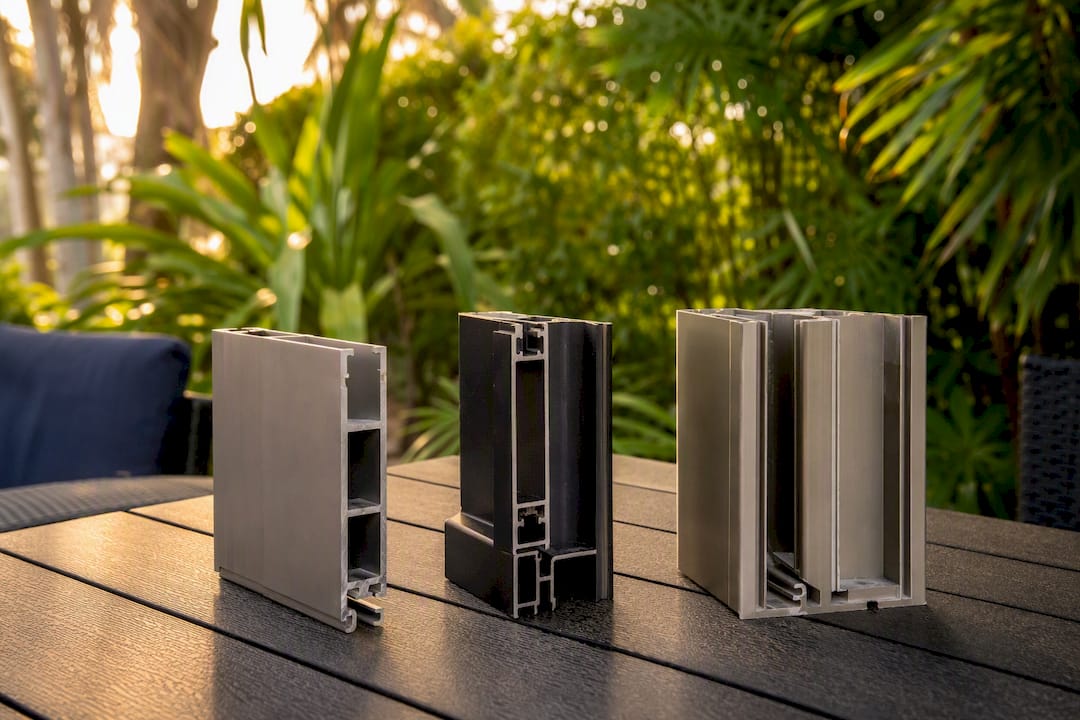
Beyond the broad screened, acrylic, and glass categories, the specific components you choose within each type carry their own price tags. Aluminum framing, the industry standard for Florida lanais, generally costs less than the heavier-gauge, wind-rated extrusions required in HVHZ zones. That upgrade in extrusion thickness alone can meaningfully change your per-square-foot material cost before labor even enters the picture.
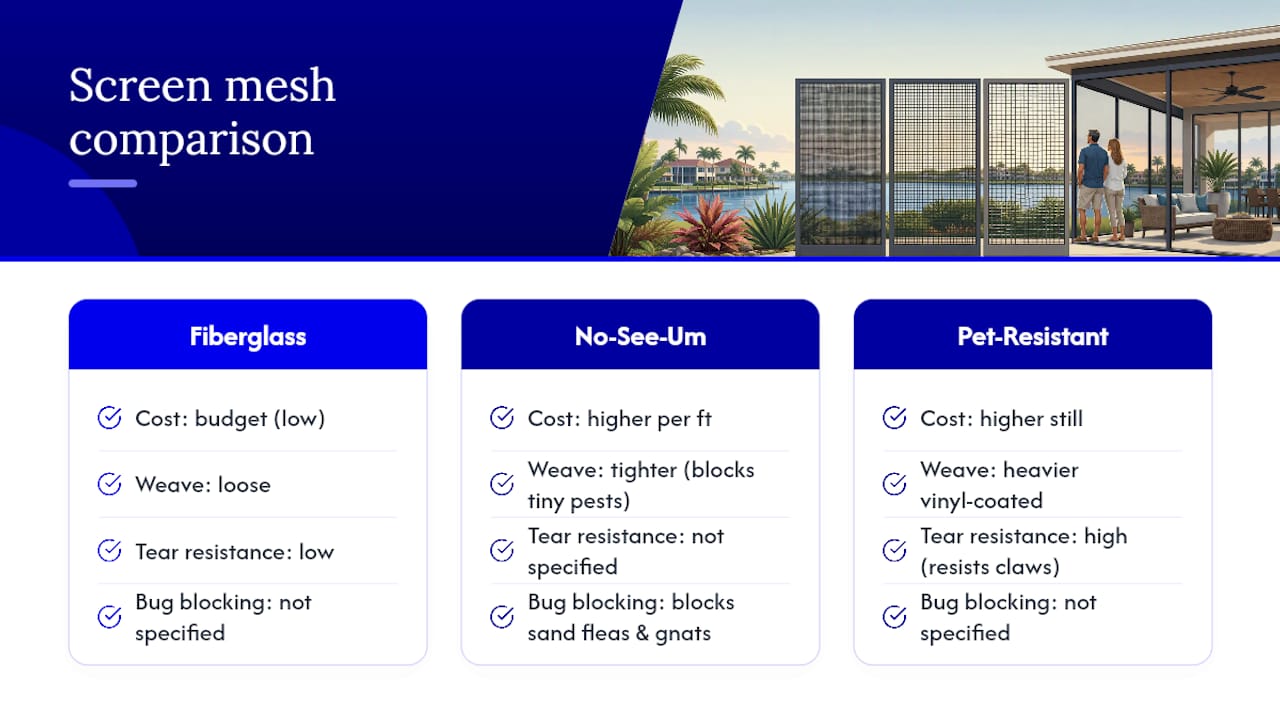
Screen material grades vary more than most homeowners expect. Standard fiberglass mesh sits at the budget end, while no-see-um mesh, tighter woven to block sand fleas and gnats, costs more per linear foot but earns its keep in humid, buggy climates. Pet-resistant screening, built from heavier vinyl-coated polyester, costs more again but resists tearing from claws far better than standard mesh.
Glass options span an even wider range. Single-pane glass sits at the entry point for a glass enclosure. Insulated (dual-pane) glass adds real cost but improves comfort if you're conditioning the space. Impact-rated glass, required or strongly recommended in many coastal wind zones, carries the highest price point of the group, and adding a Low-E coating on top of impact glass stacks yet another cost layer.
Hardware and door types matter too. A basic screen door costs far less than a sliding glass door system rated for hurricane impact, and French-door configurations on a glass enclosure typically sit at the top of the hardware cost range.
Budgeting for Maintenance After the Enclosure Is Built
The sticker price on installation day isn't the last check you'll write. Screen enclosures need the least ongoing investment, but mesh does stretch, tear, and yellow with UV exposure over time. A repair versus replacement guide notes that patching a small tear costs relatively little, but once a frame's mesh has failed in multiple spots, full rescreening is usually the more economical path rather than chasing patch after patch.
Acrylic and hybrid panels hold up longer than screen mesh but need periodic cleaning to prevent haze buildup, and the vinyl track systems that let panels slide in and out benefit from occasional lubrication to avoid binding.
Glass enclosures carry the lowest frequency of material replacement but the highest cost if something does need attention. Seal failure on insulated glass units, corrosion on lower-grade hardware, or a cracked impact-rated pane all cost more to fix than an equivalent screen or acrylic repair. Factor a modest annual maintenance allowance into your total cost of ownership regardless of which enclosure type you choose. Skipping it just moves the expense to a future year, usually at a higher price.
A Contractor's Honest Note on Lanai Budgets
Homeowners consistently underestimate permit and engineering costs, not materials. The line item that catches people off guard almost every time is the structural sign-off, not the screen or glass itself.
Pro Tip: Ask your estimator upfront whether your project needs an engineer's letter. That single question can prevent a mid-project cost surprise that derails an otherwise solid budget.
— Alston
Get a Free Estimate for Your Lanai Enclosure
Buildwithng gives Southwest Florida homeowners something most contractor quotes skip: a single itemized estimate that already accounts for permitting and code requirements before you ever sign a contract.
Instead of juggling separate bids for design, permitting, and construction, you get one team managing all three phases from the initial site visit through final inspection. That free, no-obligation estimate includes a walkthrough of your lanai, guidance on what your local wind zone requires, and a written quote broken down by material, labor, and permit cost, not a vague lump sum. Every completed project carries a workmanship guarantee, so if something isn't right after the crew leaves, you have real recourse rather than a phone number that stops answering. If you're ready to turn your budget research into an actual number for your home, request your free estimate and get a site visit scheduled with Buildwithng's team in Cape Coral, Fort Myers, Naples, Bonita Springs, or Estero.
Where to Verify These Numbers Yourself
For further research, Precision Aluminum's cost calculator generates a regional estimate by size and material. The National Association of Home Builders offers broader context on remodeling and permitting standards nationwide. Your local building department remains the final word on permit fees and wind-zone code requirements.