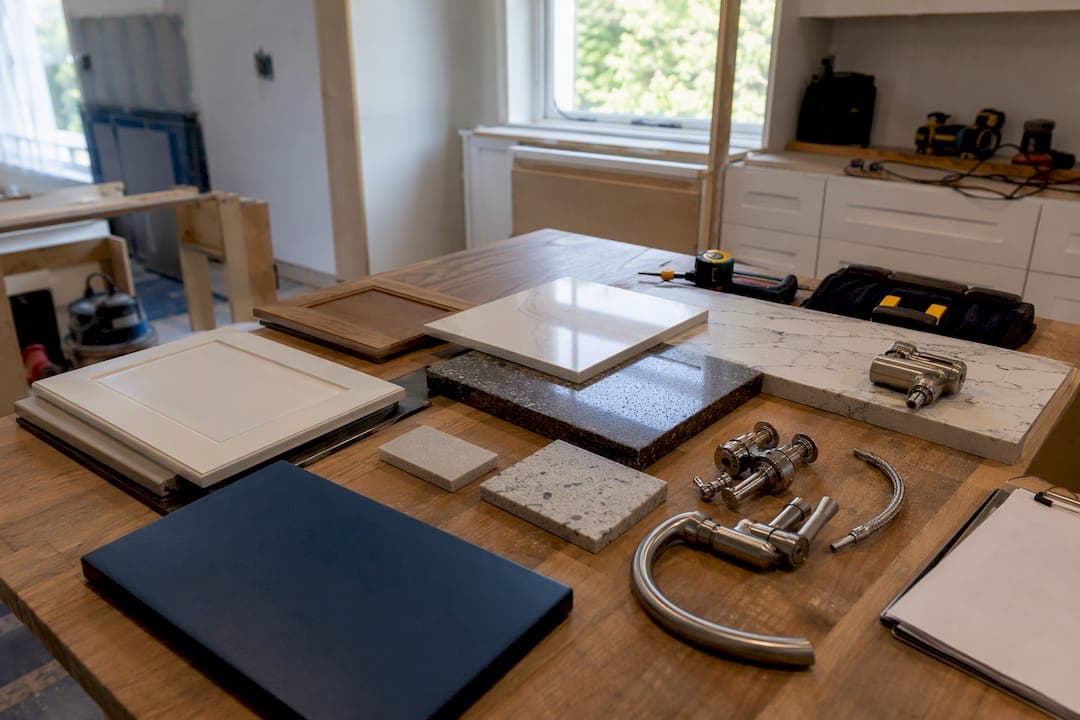
The 2026 national average kitchen remodel cost sits around $27,000, but actual project costs vary widely depending on scope, from cosmetic refreshes to extensive gut renovations and luxury projects. Scope drives the number more than anything else, followed by cabinet choice and labor. Smaller, targeted updates tend to return a higher percentage of their cost at resale than a full overhaul.
TL;DR:
- Cabinets account for 25% to 35% of the total remodel budget, with refacing being a cost-effective option if the boxes are sound.
- A mid-range remodel typically costs between $25,000 and $41,500, lasting 4 to 8 weeks, with labor and cabinets being the largest expenses.
- Geographic location can increase costs by 20% to 30% or more, especially in high-cost markets like California and New York due to labor and permitting fees.
- Setting a clear scope and choosing fixed-price bids helps prevent budget overruns caused by hidden issues or scope creep.
Table of Contents
- What Does a Kitchen Remodel Cost by Project Scope?
- Where Does the Money Actually Go? A Kitchen Remodel Cost Breakdown
- How Much Does Kitchen Size Affect Your Total Cost?
- Why Does the Same Remodel Cost More in Some States?
- How Do You Set a Realistic Kitchen Remodel Budget?
- What Should You Expect for Timeline and Hidden Costs?
- Why a Design-Build Contractor Reduces Your Budget Risk
- Should You DIY Your Kitchen Remodel or Hire a Contractor?
- What Homeowners Get Wrong About Kitchen Remodel Budgets
- Get an Accurate Kitchen Remodel Quote Before You Budget a Dollar
- Sources
What Does a Kitchen Remodel Cost by Project Scope?
Your budget starts with one question: how much of the kitchen are you actually changing? A national cost analysis breaks 2026 kitchen projects into five practical tiers, and knowing which one matches your plan saves you from comparing apples to oranges when you start collecting quotes.
Cosmetic refresh ($5,000–$15,000). This tier covers painting cabinets instead of replacing them, swapping hardware, updating the backsplash, and repainting walls. Timeline: 1 to 2 weeks. A homeowner in this bracket usually keeps the existing layout and appliances entirely.
Minor remodel ($14,500–$25,000). Think refaced or mid-grade replacement cabinets, laminate or butcher-block countertops, new sink and faucet, and updated lighting. Timeline: 2 to 4 weeks. Layout stays the same, but finishes look brand new.
Mid-range remodel ($25,000–$41,500). This is where most homeowners land. It typically includes semi-custom cabinets, quartz or granite countertops, new appliances, updated flooring, and some electrical and plumbing work. Timeline: 4 to 8 weeks.
Major/upscale remodel ($41,500–$65,000+). Custom cabinetry, high-end countertops, a layout change or island addition, premium appliances, and often a plumbing or electrical panel upgrade. Timeline: 8 to 12 weeks.
Luxury remodel ($65,000–$100,000+). Full gut renovations with structural changes, custom millwork, professional-grade appliances, smart-home integration, and designer finishes throughout. Timeline: 3 to 6 months, sometimes longer depending on permitting.
- Cosmetic refresh: paint, hardware, backsplash — no layout change
- Minor remodel: refaced cabinets, laminate counters, new fixtures
- Mid-range remodel: semi-custom cabinets, quartz counters, new appliances
- Major/upscale remodel: custom cabinets, island addition, panel upgrade.
- Luxury remodel: full gut, structural work, custom everything
Most homeowners overshoot their tier during the design phase. Starting with a defined scope, and sticking to it, is the single biggest lever you control before a contractor ever picks up a hammer.
Where Does the Money Actually Go? A Kitchen Remodel Cost Breakdown
On a $27,000 mid-range project, cabinets and labor dominate the spreadsheet, but nine other line items compete for what's left. Cabinets alone consume 25% to 35% of the total budget, which makes them the single biggest decision you'll make in the entire process.
Pro Tip: If your existing cabinet boxes are structurally sound, refacing or repainting them instead of replacing them can cut that line item by more than half while keeping your layout intact.
Labor runs a close second, typically 25% to 35% of the budget once you factor in demolition, installation, plumbing, and electrical work. Countertops typically account for a significant but variable portion of the budget, influenced strongly by material choice. House Beautiful's pricing data shows laminate running roughly $20 to $50 per square foot installed, while marble and premium quartz can climb past $150 per square foot.
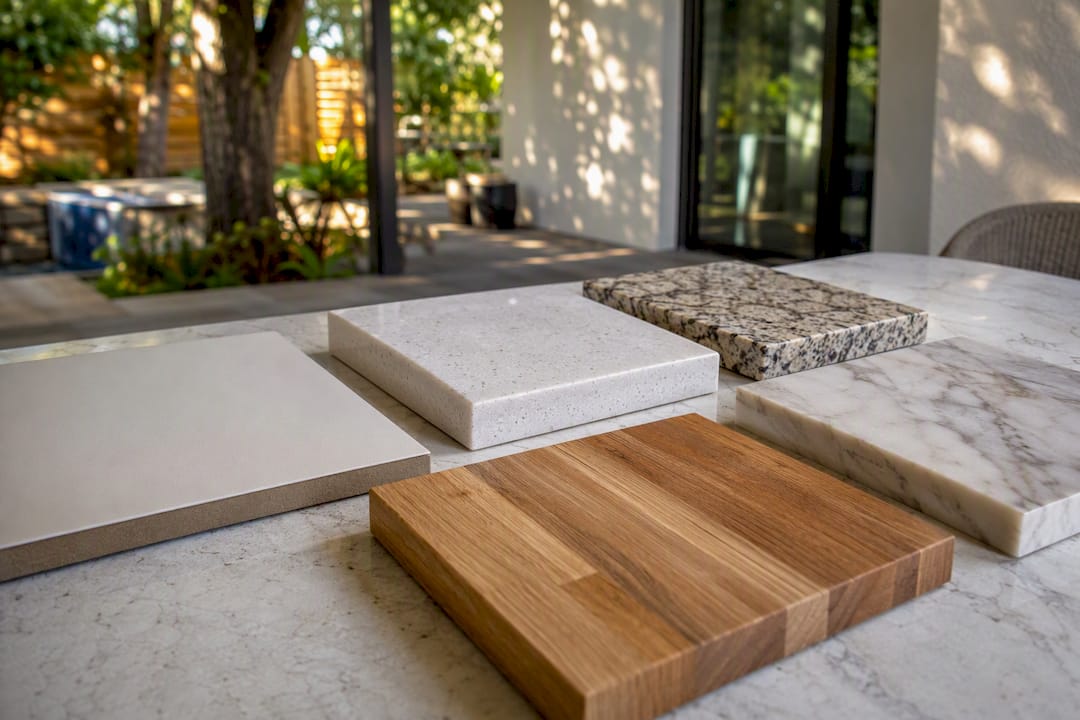
Appliances and flooring show the widest swing in real-world quotes. A basic stainless package might cost $2,500, while a professional-grade suite easily runs $10,000 or more on the same square footage. Flooring follows a similar pattern: vinyl plank starts under $5 per square foot, while hardwood or large-format porcelain tile can triple that.
How Much Does Kitchen Size Affect Your Total Cost?
Per-square-foot pricing gives you a fast, rough estimate before you ever talk to a contractor. Angi's 2026 data puts most kitchen remodels between $75 and $250 per square foot, depending on finish level and scope.
Here's how that translates across common kitchen sizes:
- 75 square feet (small/galley kitchen): roughly $5,625 to $18,750
- 100 square feet (average kitchen): roughly $7,500 to $25,000
- 150 square feet (larger kitchen): roughly $11,250 to $37,500
- 200 square feet (open-concept or great room kitchen): roughly $15,000 to $50,000
Per-square-foot math breaks down fast once you introduce variables that don't scale linearly. Moving plumbing for a new island adds a notable fixed cost regardless of kitchen size. High-end finishes and custom cabinetry push the per-square-foot rate toward the top of the range, or past it, no matter the footprint.
Here's a worked example: a 120-square-foot kitchen at the mid-range rate of $150 per square foot lands at $18,000 for materials and standard labor. Add a $3,500 island plumbing relocation and a $1,200 electrical panel check, and your realistic total climbs to roughly $22,700, before contingency.
Why Does the Same Remodel Cost More in Some States?
Geography changes your kitchen remodel cost more than most homeowners expect. Labor rates, permit fees, and material shipping costs all shift the local median away from the national figure.
- High-cost markets like Hawaii show minor remodels averaging around $42,000 and major remodels near $95,000, driven by shipping costs and a tight skilled-labor pool.
- California and New York carry similarly elevated medians, largely from labor rates and stricter permitting timelines.
- Lower-cost states, including Mississippi and parts of the Midwest, often run 20% to 30% below the national average for comparable scope.
- Union labor requirements in some metros add a real premium on top of standard contractor rates, particularly for electrical and plumbing trades.
Treat national ranges as a starting point, not a final number. Get two or three local quotes, check a regional cost calculator, and ask your contractor directly whether your city's permit office adds meaningful time or fees to the timeline you're planning around.
How Do You Set a Realistic Kitchen Remodel Budget?
Start with your scope tier's baseline, then build in room for what you can't predict yet. A conservative homeowner formula looks like this: baseline contractor bid, plus 15% contingency for unknowns like hidden water damage, plus another 5% reserved for upgrades you'll want mid-project, for a 20% total buffer.
On a $27,000 project, that means budgeting closer to $32,400 in accessible funds before you sign a contract.
- Cash: the simplest option, and it avoids interest, but ties up savings you may need elsewhere.
- HELOC: competitive rates if you have home equity, though your house secures the loan.
- Personal loan: faster approval, no collateral, but generally higher interest than a HELOC.
- Contractor financing: convenient, but compare the terms closely against a bank or credit union offer before signing.
Most contractors ask for a deposit between 10% and 30% upfront, with the balance staged across project milestones.
Pro Tip: Ask for a fixed-price, scope-defined bid rather than time-and-materials pricing whenever the project involves demolition or an unknown subfloor condition. Fixed pricing shifts the risk of surprises onto the contractor instead of your wallet.
What Should You Expect for Timeline and Hidden Costs?
Construction itself usually takes 4 to 8 weeks for a mid-range remodel, but total project duration, including design, permitting, and appliance lead times, often stretches to 3 to 4 months from first call to final walkthrough.
Labor typically represents 25% to 35% of your total budget, and general contractors commonly add 10% to 20% overhead on top of subcontractor costs to cover project management and scheduling.
- Hidden water damage behind cabinets or under flooring: often $1,000 to $5,000 to repair before work continues
- Electrical panel upgrades: typically $1,500 to $4,000, and can delay start dates by weeks in high-permit jurisdictions
- Gas-line relocation for a range or island: usually $500 to $2,000 depending on distance and access
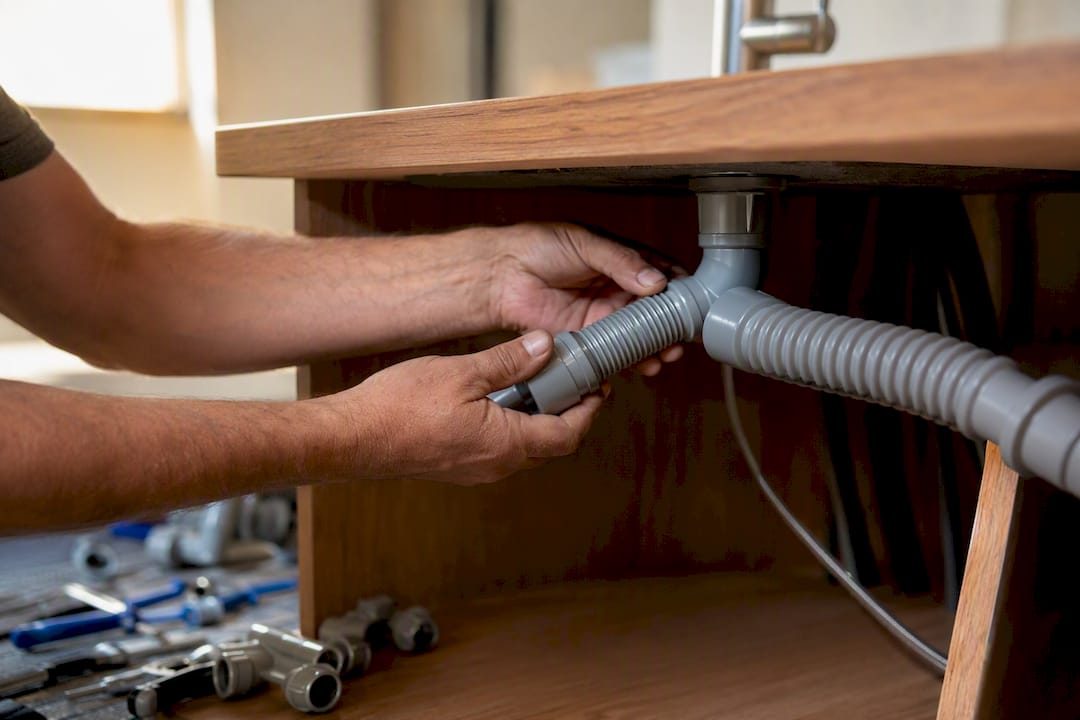
- Island plumbing additions: generally $2,000 to $5,000 depending on subfloor access
None of these are exotic edge cases. They show up often enough that your contingency fund should assume at least one of them will apply.
Why a Design-Build Contractor Reduces Your Budget Risk
Most budget overruns trace back to one root cause: a contractor structure that separates design from construction, creating gaps where costs slip through. NG Construction SWFL runs full design-build project management across Southwest Florida, from Cape Coral to Fort Myers, Naples, Bonita Springs, and Estero, which means the same team that draws your kitchen plan also builds it.
That structure closes the two biggest sources of surprise costs: mismatched expectations between designer and builder, and change orders that pile up mid-project. A free, no-obligation estimate upfront gives you a real number before you commit to anything, and a workmanship guarantee backs the finished project. Combined with a sustainable design approach and state-certified expertise, the model is built to keep your kitchen remodel cost close to the number you agreed on, not the number you end up with after three rounds of surprises.
Should You DIY Your Kitchen Remodel or Hire a Contractor?
DIY work can meaningfully lower your kitchen remodel cost, but only on specific tasks. Painting cabinets, installing a backsplash, swapping hardware, and even laying certain click-lock flooring products are realistic weekend projects for a reasonably handy homeowner, and skipping the labor line on those items alone can save $1,500 to $4,000.
Where DIY gets expensive fast is anything touching plumbing, electrical, or structural work. Building codes require permits for panel upgrades, gas-line moves, and most plumbing relocations, and an improperly done repair often costs more to fix later than it would have cost to hire out correctly the first time. Houzz's cost data flags hidden damage and layout changes as the categories most likely to blow past a DIY homeowner's original estimate, precisely because these are the areas where mistakes compound.
A reasonable split for most homeowners: DIY the cosmetic and low-risk finish work, and hire licensed professionals for anything behind the walls or under the floor. That approach protects your safety, keeps your homeowner's insurance valid, and still trims a meaningful slice off your total.
What Homeowners Get Wrong About Kitchen Remodel Budgets
The conventional advice tells homeowners to pick a number and stick to it. That's backwards. The number should come from your scope, not the other way around. Too many people set a budget first, then try to cram a major remodel's worth of ambition into a minor remodel's wallet, and the contingency fund becomes the casualty.
What matters most isn't the finish level you choose. It's whether your contractor structure eliminates the gap between design and execution before the first wall comes down. A fixed-price, scope-defined bid from a single accountable team beats a lower time-and-materials estimate almost every time once change orders enter the picture.
— Alston
Get an Accurate Kitchen Remodel Quote Before You Budget a Dollar
Every range in this guide gives you a starting point, but your actual kitchen remodel cost depends on your layout, your finishes, and your local labor market. NG Construction SWFL closes that gap with a free, no-obligation estimate that turns national benchmarks into a real number for your project.

Because NG Construction SWFL manages design and construction under one accountable team across Cape Coral, Fort Myers, Naples, Bonita Springs, and Estero, you get a scope-defined proposal instead of a rough guess that grows once demolition starts. If you're ready to see what your specific kitchen would actually cost, request a free estimate from NG Construction SWFL and get a number built around your home, not a national average.